
Documents Are the Product
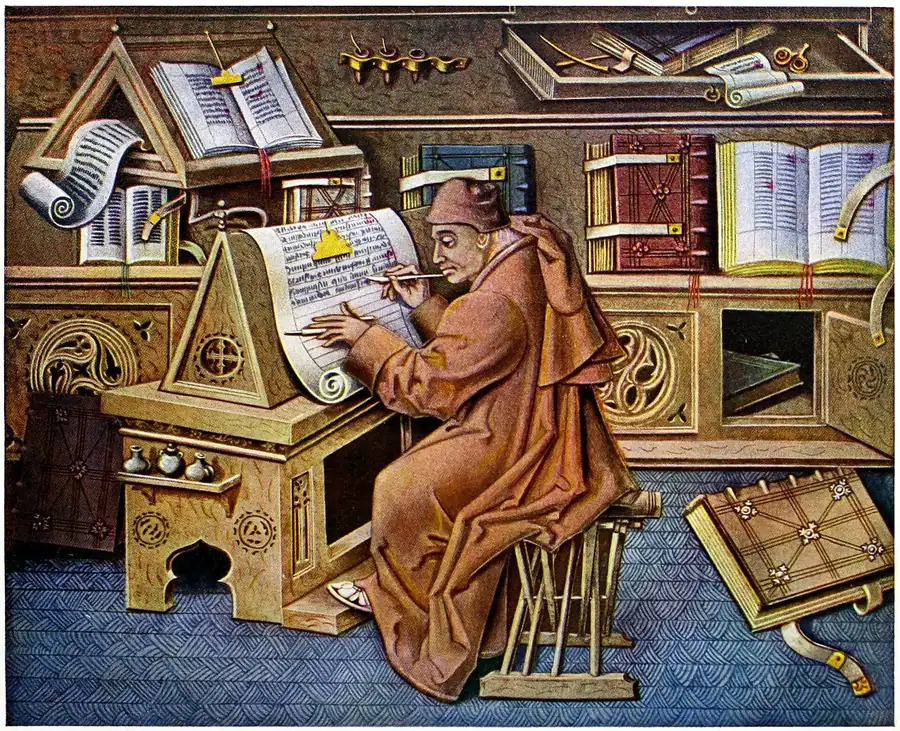
Legal work produces documents: contracts, memos, briefs, opinions. Quality document drafting is the core deliverable.
- وقت القراءة: 15 min
- ينتهي باختبار
ما يغطيه هذا الفصل
- Lawyers Produce Documents
- Types of Legal Documents
- Contracts
- Memos & Opinions
- Pleadings & Briefs
- Drafting Principles
- Review & Quality Control
فصول الدورة مكتوبة بالإنجليزية. أما بقية الأكاديمية فمترجمة.
TL;DR (Core Understanding)
Law is not advice. Law is documents that survive conflict. Conversations disappear. Intent is irrelevant. What remains is text, versions, signatures, and timestamps. If it's not written properly, it doesn't exist. If it's written badly, it exists against you.
1) Law is paperwork with consequences
Every legal outcome traces back to a document:
- •Contracts
- •Filings
- •Notices
- •Policies
- •Emails
Courts don't enforce promises. They enforce artifacts.
This is why lawyers obsess over wording. Words are executable code.
2) Contracts are operating systems
A contract is not a formality. It defines:
- •Who decides
- •Who pays
- •Who bears risk
- •What happens when things break
Good contracts
Prevent disputes
Bad contracts
Create profitable litigation
3) Clauses are risk allocation tools
Every clause answers one question:
"Who loses if this goes wrong?"
Examples:
- •Limitation of liability
- •Indemnities
- •Termination
- •Governing law
- •Dispute resolution
They don't exist for beauty. They exist for damage control.
4) Boilerplate is not harmless
Boilerplate clauses are called "standard" because people stop reading them.
They quietly decide:
- •Where you can sue
- •Which law applies
- •How notices must be sent
- •Whether arbitration replaces courts
Most catastrophic surprises live here.
Before you sign, run the boilerplate through HAQQ's Contract Clause Checker.
5) Why wording beats intent
Courts don't ask:
"What did you mean?"
They ask:
"What does the text allow?"
If intent mattered more than wording, contracts would be pointless.
Precision is not pedantry. It's protection.
6) Versioning is legal memory
Legal documents evolve:
- •Drafts
- •Redlines
- •Negotiations
- •Final versions
Without version control:
- •Accountability disappears
- •Disputes explode
- •Audit trails die
This is why lawyers track edits obsessively.
7) Markups are where risk is negotiated
Redlines are not cosmetic. They show:
- •Where parties disagree
- •Which risks are unacceptable
- •Who concedes what
A clean-looking contract can hide a brutal risk shift.
8) Audit trails matter more than aesthetics
Courts and regulators care about:
- •Who knew what
- •When they knew it
- •What they approved
This is why emails, comments, and timestamps become evidence.
Design is irrelevant if traceability fails.
9) The $800 contract problem (again, from a document angle)
Low-fee contracts often mean:
- •Templates reused
- •Minimal customization
- •Unexamined boilerplate
Cheap documents are expensive later.
The price of drafting is never the real cost. Liability is.
For a fuller walkthrough of what goes wrong (and what AI does about it), see AI Contract Drafting: The 2026 Guide (and Risks).
10) Common document mistakes
- •Vague language
- •Undefined terms
- •Contradictory clauses
- •Missing governing law
- •Inconsistent versions
These aren't style issues. They are future lawsuits.
Chapter 8 Takeaway
In law, documents are reality. Everything else is noise.
Next chapter moves up a level: legal risk and strategy. What lawyers are really paid for.
Visual Summary
Visual: Contract as Operating System
Clauses control outcomes like code controls behavior
Visual: Clause Risk Map
Visual: Document Version Timeline
Chapter 8 Quiz
Question 1 of 6According to the chapter, what do courts enforce?