

HAQQ Academy - free, and open to anyone
Get certified in legal AI. Free.
30 chapters on doing legal work with AI, written by the team building Justinian - the legal AI engine whose answers come with citations you can verify. Pass the 22 chapter tests and the certificate at the end is yours.
- No account, no card, no credits
- Self-paced - most people take a week
- Shareable certificate at the end
How you get there, in three steps
Free, self-paced, and open without an account. The only thing it asks of you is that you try each chapter on real work.
Take the course, and use it on real work
30 chapters, from what a large language model actually is to running a matter end to end. Read a chapter, then open HAQQ in the next tab and run it on a file you are already working on. Nothing here is theory you cannot try the same afternoon.
Pass the test at the end of every chapter
22 of the 30 chapters end in a test, so you find out what you actually retained instead of assuming. The rest of the Academy is open while you work: 391 prompts, 738 clause examples across 44 categories, 422 AI skills, 70 document templates and 22 free tools. No account, no credits.
Get certified
Pass the test at the end of every chapter that has one and you have completed HAQQ's legal AI course - a certificate for your LinkedIn profile, your CV and your feed that says what you can do on Monday morning, not what you sat through. It is free, like the rest of it.
Four thousand years, in twenty-nine chapters
The course reads law as one long protocol upgrade - rules cut into stone, then copied by hand, then sold by the hour, then run by machines. Six of the chapters it passes through.
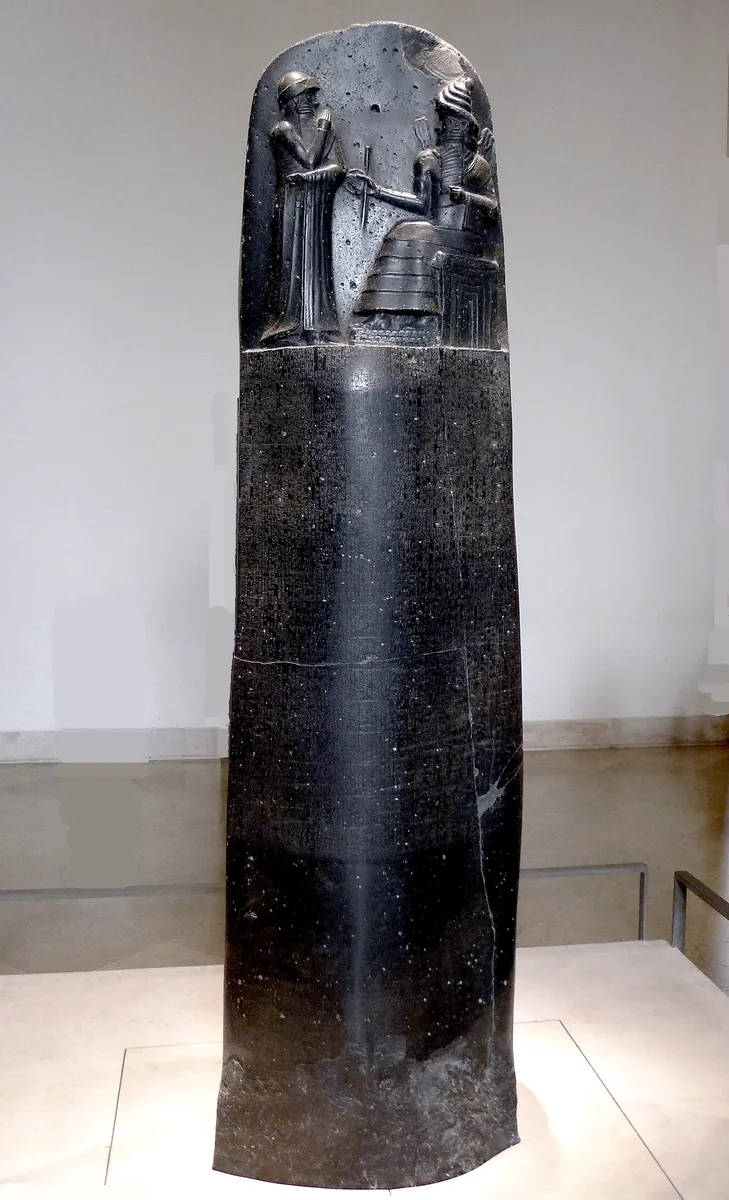
Chapter 1 · 10 min A Short History of Justice
Hammurabi's stele, around 1750 BC. The rules were carved in stone in a public place, the first recorded attempt to make law something a person could go and read for themselves rather than be told.
Mbzt · CC BY 3.0 · via Wikimedia Commons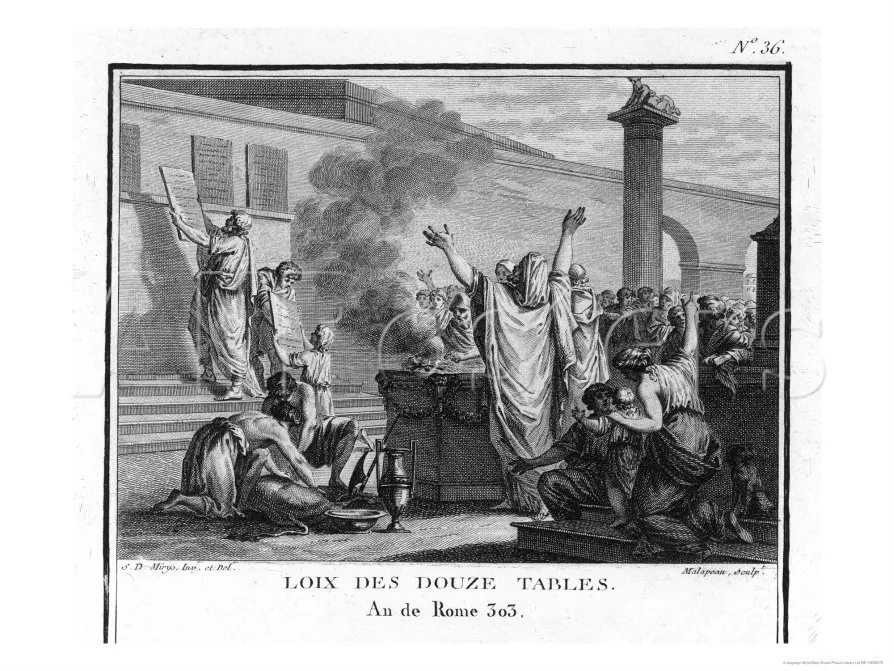
Chapter 2 · 12 min The Origin of Law
The Twelve Tables, published around 450 BC after the plebeians demanded the law be written down. Origin of law and sources of law are different questions, and this is a picture of the second one being answered.
Silvestre David Mirys, engraved by Claude-Nicolas Malapeau · Public domain · via Wikimedia Commons
Chapter 9 · 10 min The Death of the Billable Hour
Time became the unit of account when time was the scarce thing. Photograph the mechanism and the assumption behind the billable hour is hard to miss.
Ministry of Information Photo Division · Public domain · via Wikimedia Commons
Chapter 12 · 12 min Being a Lawyer in the Age of AI
For about fifty years, switchboard operator was a skilled profession, a career, and a labour market. The work did not get worse. It got automated, and the people who moved early moved into the jobs above it.
Unknown · Public domain · via Wikimedia Commons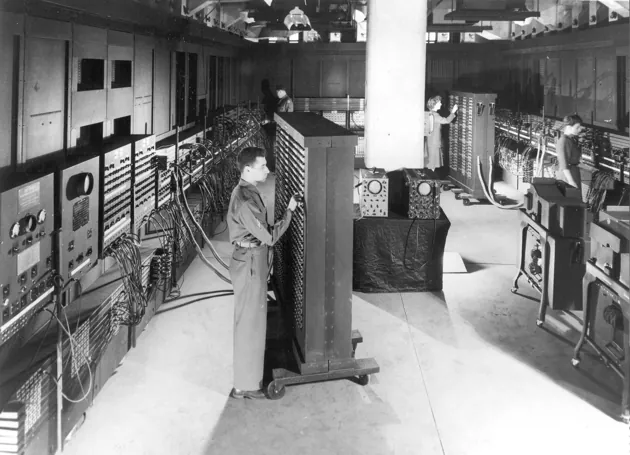
Chapter 13 · 16 min Legal AI Fundamentals
Every capability in this chapter is a descendant of that room. Knowing roughly how the machine works is what stops you either over-trusting it or dismissing it.
U.S. Army · Public domain · via Wikimedia Commons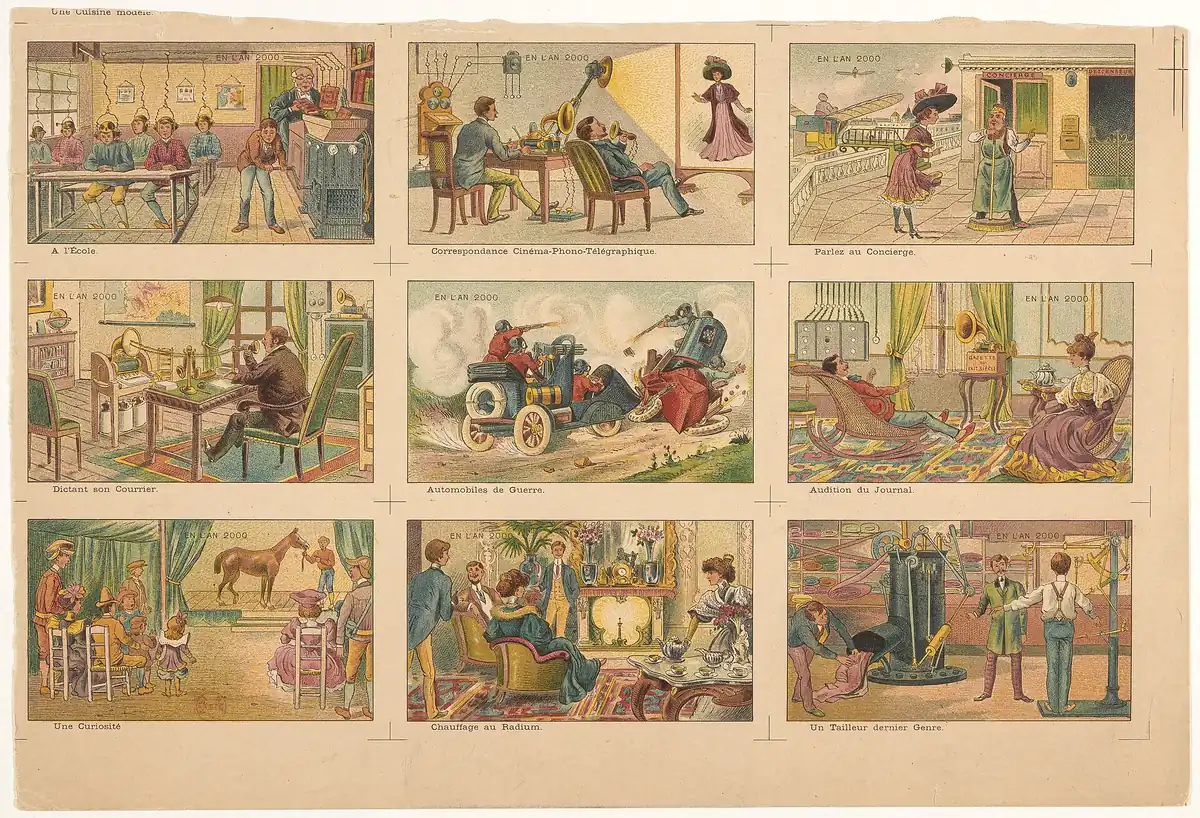
Chapter 27 · 11 min The Future of Legal Work
France, around 1900, imagining the year 2000. The machines are wrong and the assumptions are right: they predicted the tasks would be automated and the institutions would stay exactly as they were.
Jean-Marc Côté · Public domain · via Wikimedia Commons
Earn it one track at a time.
The same 30 chapters, cut into 3 certifications you can earn one at a time. Finish them all and the full certificate above is still waiting at the end.
Every page here is free and open without an account. The product it teaches is not, that is the only difference.
HAQQ Academy - free, and open to anyone
Everything on this site
The course, the libraries you work out of, the free tools and the research behind all of it.
Library
Prompts, clauses, document templates and skills you can lift straight into work.